)
)
Microelectronics UK 2026 Startup Spotlight: FreeForm Photonics
In the latest in our series inviting innovative startups to tell their stories, Microelectronics UK features Edinburgh-based FreeForm Photonics, a specialist in high precision laser fabrication of optical components for applications in integrated photonics, optical fibre coupling and optical sensing. Founded as a spinout of Heriot-Watt University, the company is led by CEO Calum Ross, who is research fellow in the School of Engineering and Physical Sciences at the university.
The company was featured by Heriot-Watt in a June news release set to 'commercialise a laser-based process that builds alignment directly into optical glass components, removing the painstaking manual calibration that currently accounts for more than half of all photonics production costs.'
"The result is a manufacturing pathway that is faster, cheaper and precise to sub-micron tolerances, a scale far smaller than the width of a human hair," the university added. "It also removes the complexity that has long made photonic systems prohibitively expensive to scale."
You can find out more about FreeForm Photonics here. Many thanks to Frank Tooley for helping provide these answers.
---
In one sentence, what does your company do?
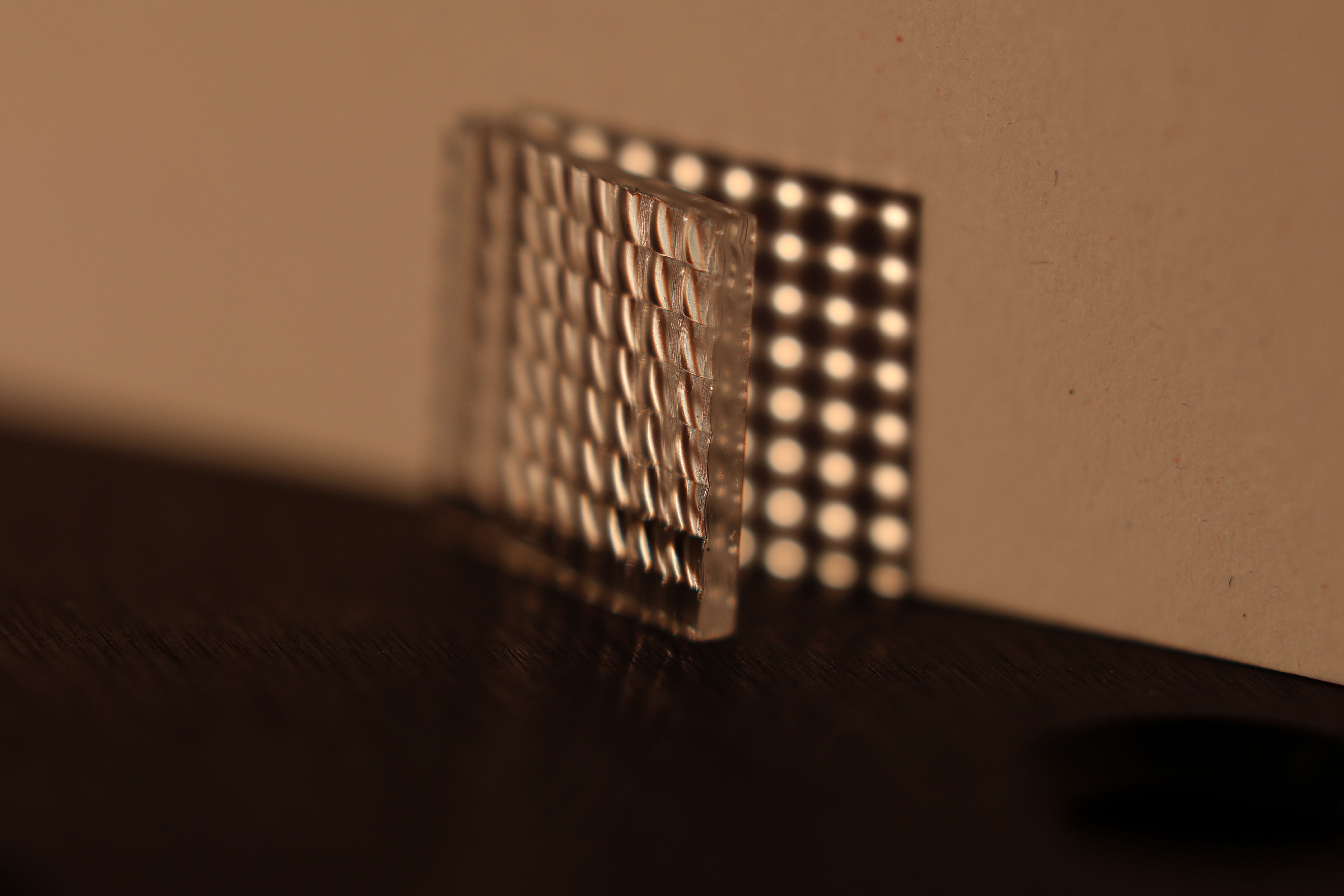
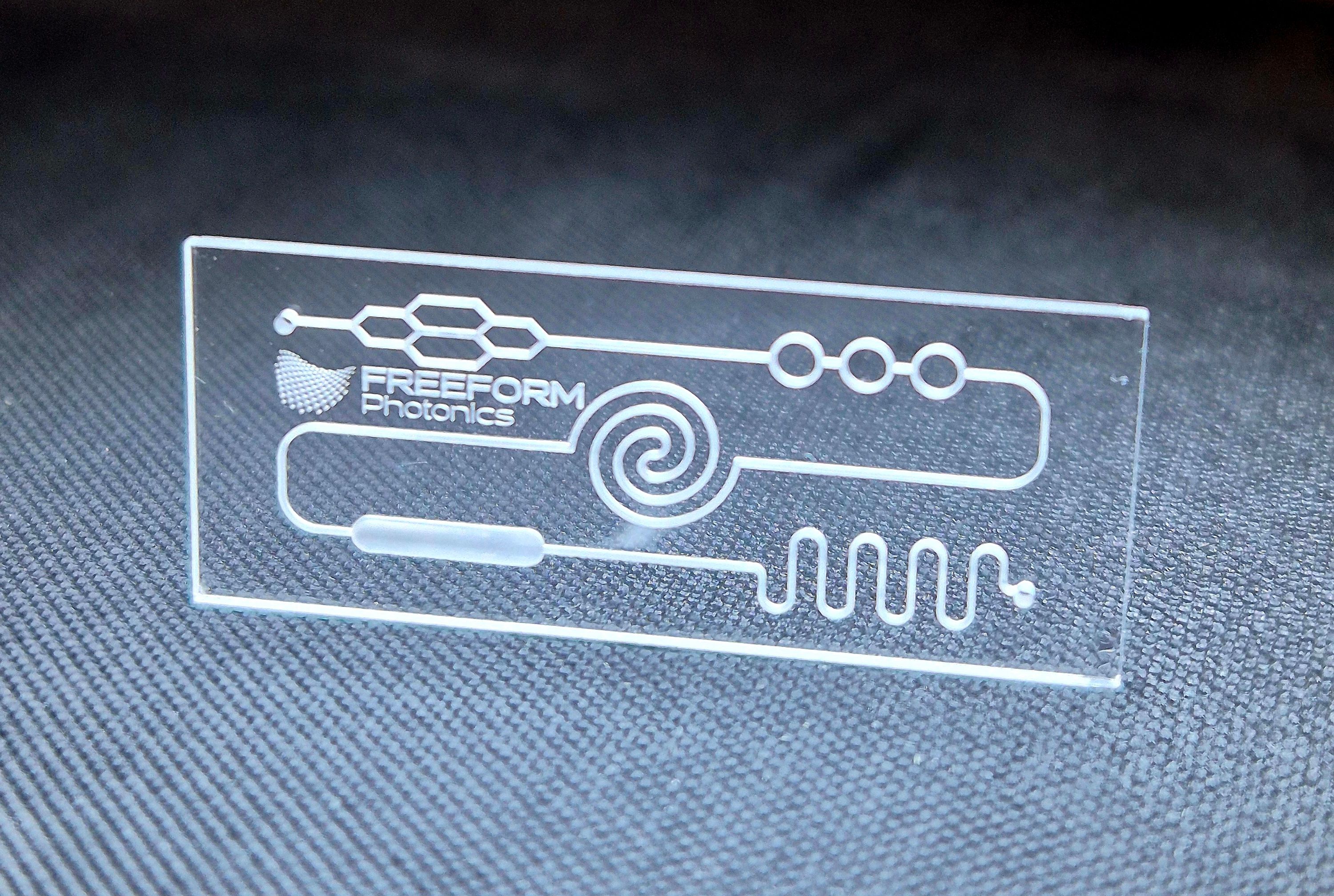
FreeForm Photonics is a Heriot-Watt University spin-out commercialising Selective Laser Etching (SLE): a laser-manufacturing process that fabricates freeform optical and micro-mechanical structures with sub-micron passive alignment features built directly into a single block of fused silica glass.
How did the business come about?
40 years of combined work on laser micromachining at Heriot-Watt University.
What industry problem are you solving?
Incorporating alignment features into the optical component and fabricating multiple optical features in the same component removes the single biggest cost in photonic system manufacturing — precision assembly and alignment — which today accounts for more than half of total production cost.
Why is this problem becoming more important right now?
Scaling up production is limited by assembly and alignment time.
What makes your approach different from existing solutions?
FreeForm is an optical component manufacturer able to designs optical systems that required a combination of SLE, laser welding and laser polishing to optical finish.
What has been your biggest milestone to date?
Heriot-Watt University has received several £100k in grants to support the commercial development of FreeForm.
What excites you most about the future of the microelectronics industry?
The use of optical interconnects is required even for short distance highly dense connections.
What’s next for the business over the next 12 months?
We will continue to supply customers with parts to validate that they are suitable for inclusion in their products.